


How Desiccant Air Dryers Support Hygiene and Efficiency in Food Manufacturing

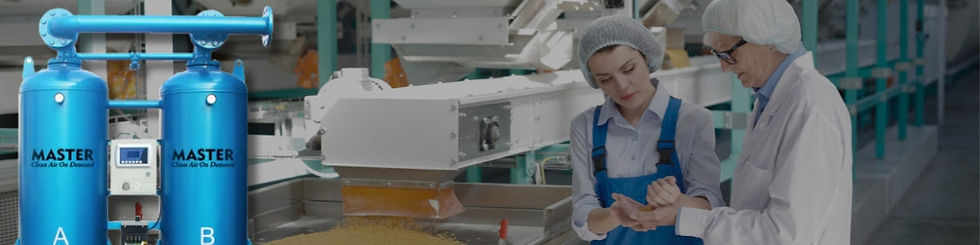
In food manufacturing, compressed air is everywhere. It powers valves, conveyors, packaging lines, and automated controls that keep production moving. However, when that air contains moisture, it can quickly turn from a utility into a serious risk. This is where desiccant air dryers play a vital role in maintaining food safety, product quality, and operational efficiency.
For food processors across the United States, desiccant dryers are not just optional equipment—they are often essential for meeting hygiene standards and ensuring consistent production outcomes.
Why Moisture-Free Compressed Air Matters in Food Processing
Compressed air frequently comes into direct or indirect contact with food products. Moisture in the air system can lead to:
Bacterial growth inside air lines
Corrosion of piping and pneumatic components
Product contamination during packaging or conveying
Production downtime caused by equipment failure
In high-humidity environments or facilities with temperature fluctuations, water vapor can condense inside air systems even after basic filtration. Desiccant dryers eliminate this risk by delivering extremely dry air with very low dew points.
What Makes Desiccant Dryers Different
Unlike refrigerated air dryers, which are designed for general industrial use, desiccant dryers remove moisture through adsorption, using materials such as activated alumina or silica gel. This process allows them to achieve pressure dew points as low as -40°F or even -100°F.
For food manufacturing, this level of dryness is critical in applications where even small amounts of moisture could compromise safety or compliance.
Key Applications in Food Manufacturing Facilities
Desiccant air dryers are commonly used in several food industry processes, including:
Packaging and Filling Lines
Dry compressed air prevents condensation inside packaging equipment, protecting food products from moisture-related contamination and extending shelf life.
Pneumatic Controls and Automation
Consistent, dry air ensures accurate valve operation and reliable automation, reducing production errors and unplanned shutdowns.
Powder and Dry Ingredient Handling
Moisture can cause clumping, blockages, and inconsistent flow. Desiccant dryers help maintain product integrity when handling flour, sugar, spices, and powdered ingredients.
Cold Storage and Freezer Areas
In chilled environments, moisture in compressed air can freeze inside air lines. Desiccant dryers prevent ice buildup that could otherwise damage equipment or interrupt operations.
Supporting Food Safety and Regulatory Compliance
Food manufacturers in the US must comply with strict hygiene and safety regulations, including FDA and HACCP requirements. Clean, dry compressed air plays an important role in meeting these standards.
By installing properly sized desiccant dryers, facilities can:
Reduce contamination risks
Support clean-in-place (CIP) systems
Improve audit readiness
Maintain consistent air quality across all production zones
Energy Efficiency and Long-Term Reliability
Modern desiccant dryer systems have evolved to become more energy-efficient and reliable. Features such as purge air optimization, heatless or heated regeneration options, and smart controls allow facilities to balance performance with operating costs.
When paired with correctly sized air compressors and filtration systems, desiccant dryers contribute to:
Lower maintenance costs
Longer equipment life
Reduced unplanned downtime
Choosing the Right Desiccant Dryer for Your Facility
Selecting the correct dryer depends on several factors:
Required pressure dew point
Airflow demand (SCFM)
Operating environment and ambient conditions
Food safety requirements
Working with experienced suppliers like MasterAire ensures your desiccant dryer system is properly sized and configured for your specific food manufacturing application.
Final Thoughts
In food manufacturing, moisture control is directly linked to safety, quality, and efficiency. Desiccant air dryers provide the ultra comprising air dryness needed to protect products, equipment, and processes—especially in sensitive or high-risk environments.
For US food processors looking to enhance hygiene standards and maintain reliable operations, desiccant dryers are a proven and essential solution. With industrial-grade systems engineered for demanding applications, MasterAire helps manufacturers achieve clean, dry compressed air they can depend on every day.


Comments